
Lily’s Painting Comes to Completion
To the LighthouseLily struggles against doubt, social prejudice, and grief until she finds a final arrangement that makes her vision visible to herself.
increasing Bearing strength in each event
 decreasing
Bearing strength in each eventdecreasingThe Unfinished Canvas
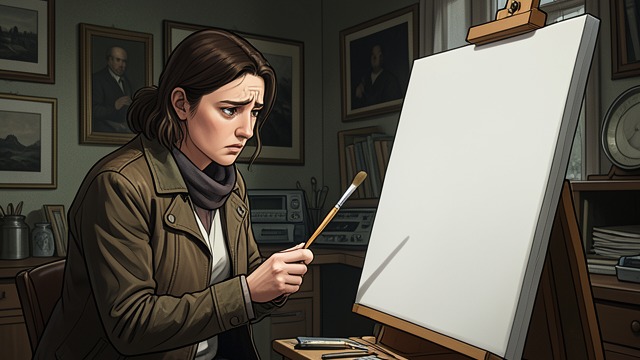
A Vision Not Yet Made
Composition
Lily sees color and shape clearly but cannot easily transfer them to canvas. The gap between perception and execution makes painting a demanding test of nerve.
Exposure
She fears that other people will judge the work before it is ready. Her picture holds a private way of seeing that she has not yet learned to defend with confidence.
Bankes Sees the Picture
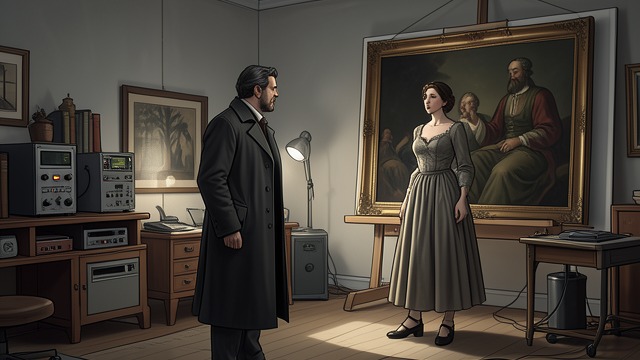
An Unlikely Viewer
Examination
William Bankes asks what Lily intends with the abstract forms. She explains that the painting is not meant to reproduce a literal likeness.
Recognition
His serious attention gives her a rare experience of being understood without conventional agreement. The encounter strengthens her sense that the picture’s choices can be discussed and defended.
The Tree’s Position
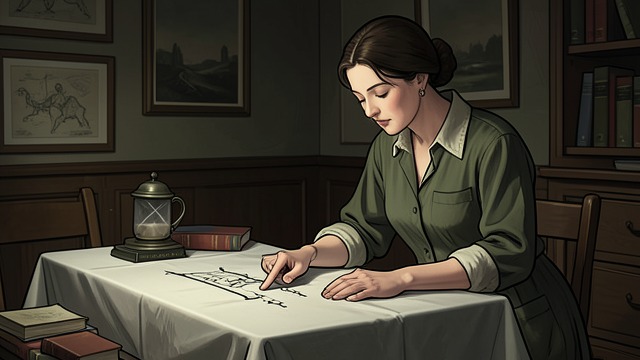
A Compositional Clue
Discovery
A mark on the tablecloth reminds Lily that the tree should move nearer the middle of her picture. The solution emerges while she is away from the canvas.
Persistence
The idea survives the noise of dinner and the strain of social performance. Painting remains her own continuing work, separate from the expectations around her.
The Return to the Lawn
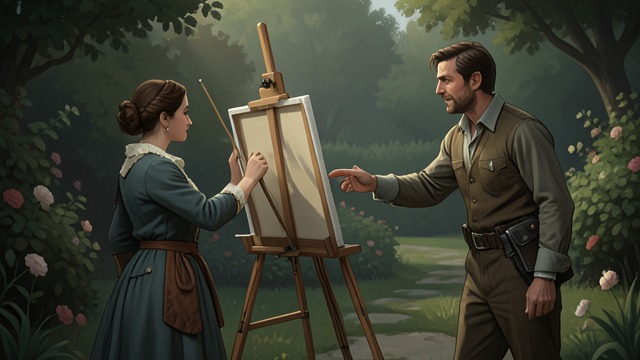
Reopening the Work
Disturbance
Lily sets up her easel, but Mr Ramsay’s repeated approaches unsettle her concentration. His demand for sympathy competes with her need for artistic independence.
First Marks
After the boat departs, she begins painting. The first strokes turn an uncertain design into a concrete series of choices that can be revised but not avoided.
The Final Line
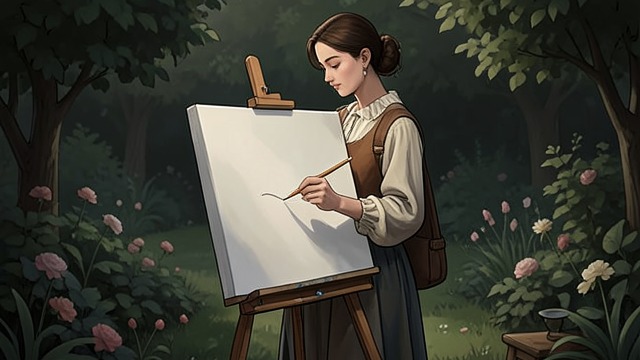
A Vision Reached
Completion
Lily looks from the empty steps to her canvas and draws a line through its center. She feels that she has finally achieved the arrangement she sought.
Independence
The painting may never be displayed or preserved, but its value does not depend on public approval. Lily’s completed act confirms the authority of her own vision.
the first summer afternoon on the lawn
later that afternoon beside the easel
during dinner that evening
the morning of the later Lighthouse expedition
near the end of the final morning
